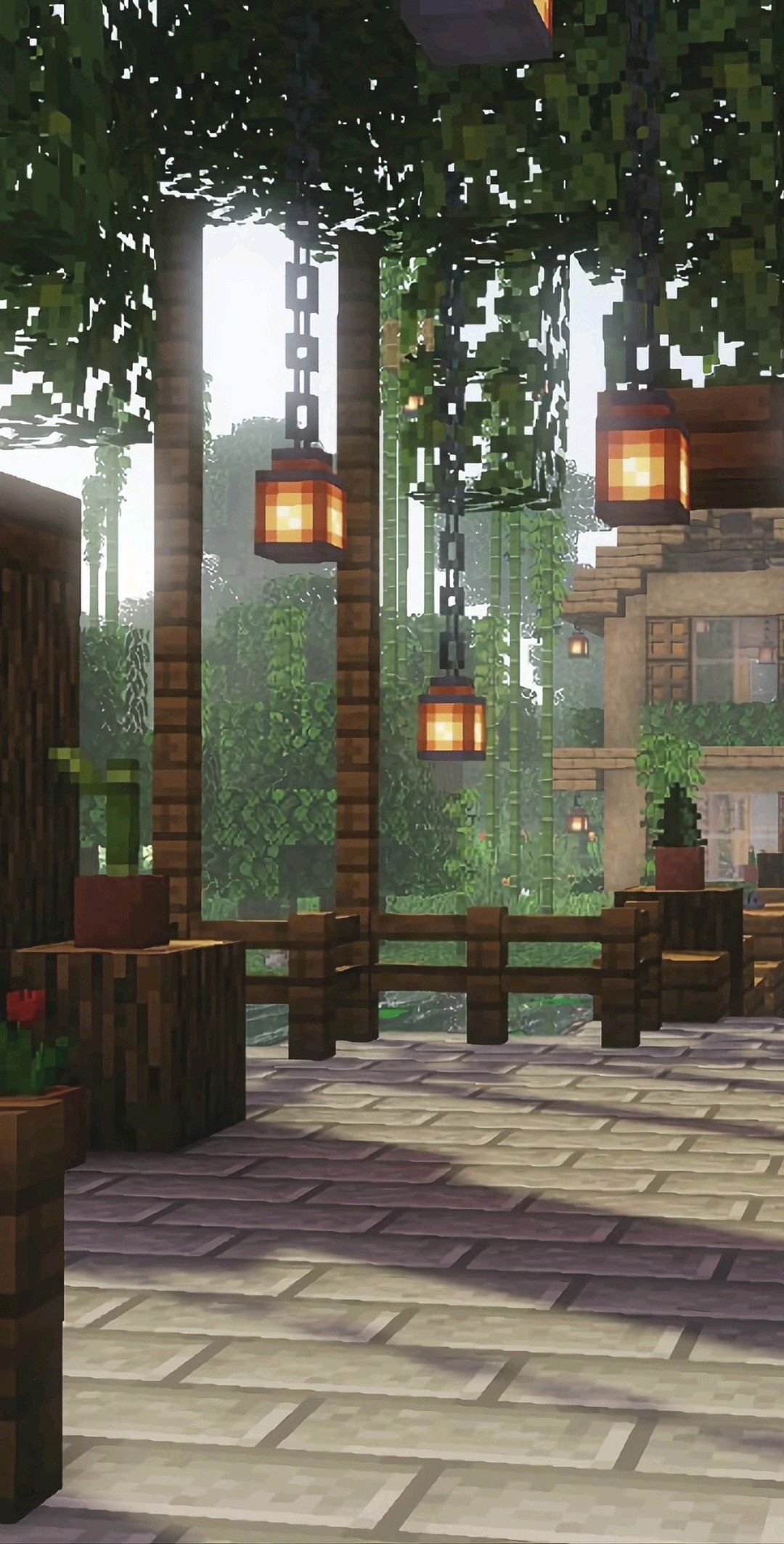
Building breathtaking structures in Minecraft is a creative journey, and few designs capture the imagination quite like the majestic dome. Far from being just a fancy roof, a well-executed dome transforms a simple build into an architectural statement, offering both aesthetic beauty and practical, unique spaces. If you've ever felt limited by the rigid angles of traditional block structures, exploring the diverse world of Types of Minecraft Domes & Aesthetic Designs opens up a universe of possibilities, allowing you to craft everything from futuristic observatories to cozy, hobbit-inspired homes.
Ready to transcend the square and embrace the curve? Let's dive in.
At a Glance: Crafting Your Perfect Minecraft Dome
- Domes offer aesthetic variety: Break free from blocky builds with unique, curved shapes.
- Geometry is key: Domes are built by layering circles, approximated in Minecraft's blocky world.
- Tools can help: Use external Minecraft dome generators to get precise blueprints for perfect circles and spheres.
- Common types include: Geodesic, Hemisphere, Ellipsoid, Segmented, and Underwater domes, each with distinct looks and uses.
- Aesthetics matter: Match your dome type to a theme (e.g., modern, fantasy, rustic) using specific block palettes and internal designs.
- Planning is crucial: Sketch out your design and select materials thoughtfully before placing the first block.
- Don't fear complexity: Start simple, then experiment with hybrids and internal features.
Why Build Domes? Beyond the Blocky Square
In a game built on cubes, circles and spheres inherently stand out. Domes offer a visual softness and organic appeal that right angles simply can't achieve. They evoke feelings of enclosure, protection, and grandeur, making them ideal for everything from a solitary base on a distant world to a bustling community hub.
Beyond their undeniable cool factor, domes often provide surprisingly efficient and spacious interiors, free from awkward corners. They can be incredibly robust, offer panoramic views when crafted from glass, and provide a distinct architectural silhouette that truly makes your builds memorable. Think of a shimmering glass biodome housing lush vegetation, or a sturdy stone dome guarding a secret vault – the possibilities are as limitless as your imagination.
The Foundation: Understanding Dome Geometry in Minecraft
Building a perfect circle or sphere in a block-based game seems counterintuitive, right? Yet, expert builders have mastered the art. The secret lies in approximation: you're essentially layering increasingly smaller circles to form a curved shape.
Imagine building a sphere from the ground up. You start with a large circular base, then each subsequent layer of blocks forms a slightly smaller circle, slowly curving inwards until you reach a single block or small circle at the very top. The smoothness of your dome depends on its size; larger domes allow for more subtle block placements, creating a rounder appearance, while smaller domes might appear more faceted.
This process can be intricate, especially for complex shapes. That's where tools like an online Minecraft dome generator become invaluable. These generators provide pixel-perfect blueprints for various sizes, showing you exactly where to place each block. They're a fantastic starting point, especially if you're new to curved builds or tackling a massive project. Once you understand the underlying principles, you can begin to freehand designs, adapting and personalizing them to your unique vision.
Core Dome Types: Form and Function
Not all domes are created equal. Different geometric forms lend themselves to distinct aesthetic styles and practical applications. Understanding these fundamental types will help you choose the right shape for your next grand design.
Geodesic Domes: The Interstellar Greenhouse
What they are: Inspired by real-world geodesic structures, these domes are composed of interconnected triangular or hexagonal panels, often made from glass or other lightweight blocks. They look incredibly futuristic and complex, yet their inherent structural integrity makes them surprisingly efficient.
Aesthetics: Modern, scientific, futuristic, resilient. Picture a space colony habitat, a giant observation deck, or a secure research facility. The exposed framework adds an intriguing layer of detail.
Practical Uses: Ideal for large-scale biodomes housing complex farms or diverse biomes, observatories with clear sky views, secure bases that emphasize strength and light, or even unique village centers. They excel at enclosing vast spaces with minimal material density for the roof.
Block Palette: Glass (especially stained glass for effects), iron blocks, smooth stone, concrete, prismarine, or even darker blocks like deepslate or blackstone for a more menacing, industrial look.
Hemisphere Domes: The Classic Bubble
What they are: This is perhaps the most recognizable dome type – a perfect half-sphere. It's the "bubble" shape you typically imagine when thinking of a dome. Simple, elegant, and incredibly versatile.
Aesthetics: Clean, organic, peaceful, universal. A hemisphere can be anything from a cozy, round home to a grand, minimalist monument. Its smooth curve is inherently pleasing to the eye.
Practical Uses: Excellent for compact starter homes, small storage units, decorative roof elements on larger buildings, or creating cozy, secluded spaces. They're also a go-to for underwater bases, offering maximum visibility and a sense of immersion. If you’re looking for a quaint, creative interior design for a single-player base, a hemisphere can be a perfect fit.
Block Palette: Highly adaptable. Almost any block can work here. Wood for rustic, quartz for modern, stone for traditional, or even dirt and moss for a hidden, natural look.
Ellipsoid/Oval Domes: The Stretched Statement
What they are: Imagine a hemisphere dome, then stretch it along one axis, or flatten it. That's an ellipsoid or oval dome. This deformation creates a more unique, less symmetrical profile that can be very striking.
Aesthetics: Organic, flowing, artistic, distinctive. These domes break the perfect symmetry of a hemisphere, lending themselves to builds that feel more natural or deliberately designed to stand out. They can appear sleek and aerodynamic or gently undulating.
Practical Uses: Perfect for adding a unique architectural flair to a large base, creating distinct "wings" or sections for different functions, or crafting an eye-catching entrance to an underground complex. An oval dome could serve as a unique sports arena or a botanical garden entrance.
Block Palette: Often benefits from smooth, consistent blocks like concrete, quartz, or terracotta to emphasize the unique curvature. Glass also works well for transparent sections.
Segmented Domes: Ornate and Exotic
What they are: These domes aren't smooth, continuous curves. Instead, they are made up of distinct segments or "petals" that meet at a central point, often creating a pointed or onion-like shape. Think of cathedral domes or Eastern architectural styles.
Aesthetics: Ornate, exotic, grand, historical, mystical. Segmented domes instantly add a touch of fantasy or ancient wisdom to a build, reminiscent of grand temples, royal palaces, or magical observatories. They scream intricate craftsmanship.
Practical Uses: Ideal for temples, libraries, grand throne rooms, or any build requiring a roof that makes a powerful visual statement. They can form the crowning glory of a "Serene palace" or an "Old and historic building," adding an air of mystery.
Block Palette: Often uses contrasting blocks to highlight the segments. Stone bricks, deepslate bricks, terracotta, purpur blocks, and even gilded blackstone or prismarine for a truly fantastical feel. Gold or copper accents can emphasize their regal nature.
Underwater Domes: The Aquatic Sanctuary
What they are: While not a unique shape in itself (they're typically hemispheres or geodesics), underwater domes are a distinct category due to their environment and specific build challenges. They offer a unique perspective on the aquatic world.
Aesthetics: Mystical, tranquil, scientific, adventurous. An underwater dome provides a safe haven beneath the waves, allowing observation of marine life and ocean biomes. It's the ultimate "Beachside build" taken to the extreme.
Practical Uses: Aquatic bases for ocean exploration, observation decks for sea creatures, guardians of ocean monuments, or unique farms utilizing water-based resources. They can provide a breathtaking view, making a simple base feel extraordinary.
Block Palette: Glass (critical for visibility), prismarine (naturally blends with water, offers subtle glow), concrete (especially light blue or white), dark prismarine for accents, and sea lanterns or glowstone for interior lighting.
Aesthetic Designs: Weaving Themes into Your Domes
A dome's shape is just the beginning. Its true character emerges from the materials you choose, the textures you combine, and the thematic story you tell. Let's explore how to infuse various aesthetics into your dome builds, drawing inspiration from the vast Minecraft landscape and common architectural styles.
Natural & Organic Domes: Blending with the Biome
These domes aim to look like they grew straight out of the ground, or are seamlessly integrated with the surrounding environment.
- Materials: Dirt, coarse dirt, moss blocks, grass blocks, various wood types (logs, planks, stripped logs), stone, cobblestone, leaves (especially azalea or flowering azalea leaves for color), vines.
- Themes: "FernGully village," a hidden "Cottage overgrown with moss and vines," an underground Hobbit hole, or a secluded druid's sanctuary.
- Examples: A large dome covered in moss and lush foliage, blending into a forest. An underground dome with a skylight, its walls made of carved stone and dirt. A small log cabin dome nestled into a hillside, reminiscent of a "Simple wooden cabin."
- Tips: Incorporate ponds, waterfalls, and custom trees around and even inside the dome to enhance the natural feel. Use varying shades of green and brown to create depth.
Modern & Futuristic Domes: Sleek and High-Tech
For those who love clean lines, advanced materials, and a sense of progress.
- Materials: Smooth concrete (white, light gray, blue), quartz blocks, polished deepslate, iron blocks, glass (clear or tinted), sea lanterns, glowstone, basalt, crying obsidian (for a subtle glow).
- Themes: "Cyber canvas," a high-tech "Modern library" with a domed reading area, a space station module, or an advanced research facility.
- Examples: A gleaming white quartz and glass dome observatory with sweeping views. A black concrete and polished deepslate dome base with vibrant blue lighting accents. A series of interconnected geodesic domes forming a futuristic city hub.
- Tips: Focus on symmetry, minimalist detailing, and strategic lighting. Use glowstone or sea lanterns discreetly behind blocks for ambient light, or in patterns for a sci-fi effect. Incorporate advanced Minecraft Redstone contraptions for automated doors or lighting.
Fantasy & Mystical Domes: Enchanted and Ethereal
When your build needs to transport players to another realm, full of magic and wonder.
- Materials: Purpur blocks, end stone bricks, prismarine, dark prismarine, warped wood, crimson wood, glazed terracotta, amethyst blocks, crying obsidian, glowing lichen, shroomlights.
- Themes: "Fairycore-themed world design," an elven treehouse, a wizard's tower observatory, or a temple to an ancient deity. The "Elven farm" aesthetic can also be adapted with mystical domes for housing special crops.
- Examples: A grand dome crafted from purpur and prismarine, topped with amethyst shards and glowing with shroomlights. A warped forest dome sanctuary with flowing water features and ethereal lighting. A dome roof on an "Old and historic building" that seems to hum with ancient power.
- Tips: Focus on intricate patterns, vibrant colors (balanced with muted tones), and atmospheric lighting. Use particles where possible (e.g., from soul soil campfires hidden beneath blocks) to create a magical aura.
Rustic & Cozy Domes: Warmth and Comfort
For builds that feel like a warm embrace, inviting you to stay awhile.
- Materials: Various wood planks (oak, spruce, birch, dark oak), logs, cobblestone, stone bricks, terracotta, brick blocks, wool (especially red, orange, brown for "Autumn crust"), hay bales, campfires.
- Themes: A "Cozy home," a charming "Pink cottage" with a rounded roof, a "Simple wooden cabin" in a snowy landscape, or an autumnal retreat. A "Countryside barn" could feature a round silo-like dome.
- Examples: A snug wooden dome burrowed into a hill, with a stone path leading to its flower-ringed entrance. A brick dome with a cozy fireplace inside, surrounded by hay bales and warm lighting. A small, pink terracotta dome nestled among cherry blossom trees, embodying an "Adobe style home" feel.
- Tips: Emphasize soft lighting (torches, lanterns, campfires), warm color palettes, and natural textures. Add details like flower boxes, small gardens, and stone pathways.
Industrial & Steampunk Domes: Gears, Brass, and Steam
Combining the elegance of curves with the gritty charm of machinery and old-world innovation.
- Materials: Copper blocks (especially weathered for patina), iron blocks, polished blackstone, deepslate, stone bricks, dark oak wood, anvils, chains, pistons, grindstones, blast furnaces.
- Themes: A "Steampunk inspired home," an airship hangar, a boiler house, or a grand workshop.
- Examples: A large copper-clad dome with exposed gears and pipes on its exterior, acting as a power generator. A dark oak and iron dome serving as a zeppelin docking station, featuring intricate clockwork mechanisms.
- Tips: Mix materials to create contrast between shiny metals and rough stone/wood. Incorporate functional (or seemingly functional) machinery and redstone components. Use chains and lanterns for industrial lighting.
Thematic Specifics from Our Inspiration
Let's not forget some of the unique aesthetics from our ground truth research that can directly inspire dome designs:
- Cherry Blossom Domes: Minimalist and elegant, using pink concrete, cherry wood, white terracotta, and light-colored glass. Imagine a small, serene dome for meditation or showcasing precious artifacts, surrounded by custom cherry trees.
- Beachside Domes: Soft, light pastel tones for a coastal structure. Sandstone, smooth quartz, white/light blue concrete, and prismarine for accents. Perfect for an aquatic observation dome or a seaside resort.
- Winter Wonderland Domes: Ice blocks, packed ice, snow blocks, light grey concrete, spruce wood. A dome that houses a cozy village or a frozen research station, evoking the "Winter themed village" charm.
- Bluestone Manor Domes: Deep blue blocks like deepslate, dark prismarine, or even blue concrete, covered in vines for an ancient, overgrown look. A majestic, mysterious dome that serves as a roof or central structure.
- Adobe Style Domes: Soft, pinkish tones using terracotta, hardened clay, or pink concrete, surrounded by cherry blossom trees for a warm, inviting feel. A perfect, organic-looking dwelling.
Building Your Dome: Practical Tips & Techniques
Now that you have a vision, let's talk about the how-to. Crafting a magnificent dome requires patience, planning, and a few smart strategies.
Planning is Key: Sketch, Palette, Scale
Don't just start placing blocks randomly.
- Sketch it Out: Even a rough drawing on paper (or in a digital tool) helps visualize the overall shape, scale, and where key features like entrances or windows will go.
- Block Palette Selection: Before you build, gather the blocks you plan to use. Place them together to see how their colors and textures interact. Do they create the desired aesthetic? Are there enough contrasting or complementary blocks?
- Scale Considerations: How big will your dome be? A massive dome needs more detail to avoid looking bland, while a small one needs careful block placement to maintain its curve. Remember that larger domes are smoother.
The Layering and Ring Method
This is the fundamental technique for almost all Minecraft domes:
- Start with the Base: Lay down your perfect circular or oval base on the ground. This will be the widest point of your dome. Use a Minecraft dome generator if needed for accuracy.
- Build Upward: For each subsequent layer, you'll create a slightly smaller circle or oval on top of the previous one. This is where the curve comes from.
- Step Inward: To make the circle smaller, you'll "step in" by placing blocks inward by one or more positions from the previous layer's edge. The number of blocks you step in, and how frequently you do it, dictates the dome's curvature. For a hemisphere, these steps are gradual and consistent. For a segmented dome, the steps might be more pronounced, creating distinct "flats" or angles before another curve.
- Gradual Reduction: Continue this process, reducing the size of each circular layer until you reach the apex – typically a single block or a small central circle.
Material Selection: Function vs. Aesthetics
- Transparency: Glass is vital for natural light and views, but consider its vulnerability to explosions and limited color options without stained varieties.
- Durability: Stone, concrete, and deepslate are robust for survival builds.
- Texture: Woods, bricks, and terracotta offer varied textures for aesthetic depth.
- Lighting: Glowstone, sea lanterns, and shroomlights can be integrated into the dome's structure for internal lighting without sacrificing space. Don't forget that advanced Minecraft building techniques often involve hidden light sources.
Lighting and Interior Design
A beautiful dome exterior is only half the story. The interior needs to be functional and inviting.
- Natural Light: Large glass sections, skylights, or even a completely transparent dome are ideal.
- Artificial Light: Integrate light sources directly into the dome's walls (e.g., glowstone hidden behind trapdoors or grates), or use lanterns and chandeliers suspended from the ceiling.
- Functionality: Domes often feel vast. Break up the space with mezzanines, tiered platforms, or central pillars. Consider the purpose of the dome – is it a storage facility, a farm, a living space, or a display area? Creative interior design is crucial here to make the circular space practical.
Avoiding Common Pitfalls
- Distorted Shapes: Without a blueprint or careful counting, domes can easily become lopsided. Double-check your layers.
- Awkward Transitions: If your dome connects to a square building, plan the transition carefully. Often, a small circular or octagonal base where the dome meets the square helps smooth the connection.
- Lack of Detail: A vast, monochromatic dome can look bland. Break up large surfaces with trim, patterns, different shades of the same block, or integrated windows.
- Flat Spots: Especially with smaller domes, you might end up with noticeable flat spots instead of a smooth curve. Experiment with half-slabs and stairs to create finer curves where possible.
Beyond the Sphere: Hybrid & Modular Dome Designs
Don't feel confined to a single, perfect dome. Some of the most impressive builds combine multiple domes or integrate them into larger, non-dome structures.
- Connected Domes: Imagine a series of smaller domes linked by hallways, forming a sprawling base. This creates diverse spaces and an intriguing silhouette. A central, larger dome might serve as a hub, connecting to smaller specialized domes for farms, storage, or living quarters.
- Dome as a Roof: A dome doesn't have to be the entire building. It can serve as a grand, circular roof atop a more traditional square or rectangular building. This creates a stunning contrast and adds architectural sophistication. Think of the Capitol building in Washington D.C. or St. Paul's Cathedral in London.
- Multi-Level Domes: Stacking domes of varying sizes can create unique, tiered structures, like an onion dome or a multi-story observatory. This adds vertical interest and allows for different functions on each level.
- Asymmetrical Domes: While harder to plan, purposefully asymmetrical domes can give a very organic or avant-garde feel. This might involve stretching one side more than the other or introducing intentional irregularities.
Common Questions About Minecraft Domes
Are domes hard to build in Minecraft?
They can be more challenging than square builds due to the need for circular approximations, but they're far from impossible. Using a Minecraft dome generator for blueprints can significantly simplify the process, especially for beginners. With practice, you'll develop an eye for curves.
What's the best block for a dome?
There's no single "best" block; it depends entirely on your aesthetic.
- For sleek, modern looks: Quartz, concrete, glass, polished deepslate.
- For natural, organic builds: Wood, stone, dirt, moss blocks.
- For fantasy or ornate designs: Purpur, prismarine, terracotta, gilded blackstone.
- For maximum transparency: Glass (of course!).
How do I light an interior dome effectively?
Natural light from large glass sections or skylights is ideal. For artificial light, consider:
- Hidden lights: Place glowstone, sea lanterns, or shroomlights behind stairs, slabs, trapdoors, or grates in the walls or floor.
- Integrated patterns: Create geometric patterns in your dome's ceiling or walls using light-emitting blocks.
- Suspended fixtures: Hang lanterns, chandeliers, or custom light designs from the dome's apex.
- Floor lighting: Use light blocks under carpets for subtle, diffused light.
Can domes be functional bases for survival mode?
Absolutely! Domes offer spacious, corner-free interiors that are great for farms, storage, living quarters, or enchanting setups. Their curved walls can also make them feel more defensible against mobs. Just ensure you build with durable blocks and secure all entrances. They can be incredibly efficient once you master advanced Minecraft building techniques for interior optimization.
Your Next Great Build: Embracing the Curve
Minecraft domes are a testament to the game's boundless creative potential. They challenge us to think beyond the block, to embrace curves and organic shapes, and to transform simple cubes into breathtaking architectural wonders. Whether you're aiming for a sprawling "Cyber canvas" research complex, a cozy "Fairycore-themed world design" retreat, or a majestic "Serene palace" observation deck, the principles of dome building will empower you.
Don't be afraid to experiment. Start with a small hemisphere, get comfortable with the layering technique, and then gradually scale up to more complex geodesic or segmented designs. Utilize tools like a Minecraft dome generator to guide your initial steps, but always inject your unique style and vision. With a little planning and a lot of imagination, your next great Minecraft creation will undoubtedly be a magnificent dome, a true beacon of creative design. Now go forth and build something truly extraordinary!